
Isolation and Loneliness
Feeling alone even when surrounded by people? Life changes like moving, working from home, relationship struggles, or caring for loved ones can leave anyone feeling isolated. When isolation and loneliness Massachusetts residents experience starts affecting your mood, energy, and confidence, each day can feel overwhelming. We understand what you’re going through. Our services are designed to help you reconnect—with others, with yourself, and with the life you deserve. You don’t have to face this alone. We offer compassionate support to help you feel seen, heard, and understood again.
Why So Many Feel Disconnected
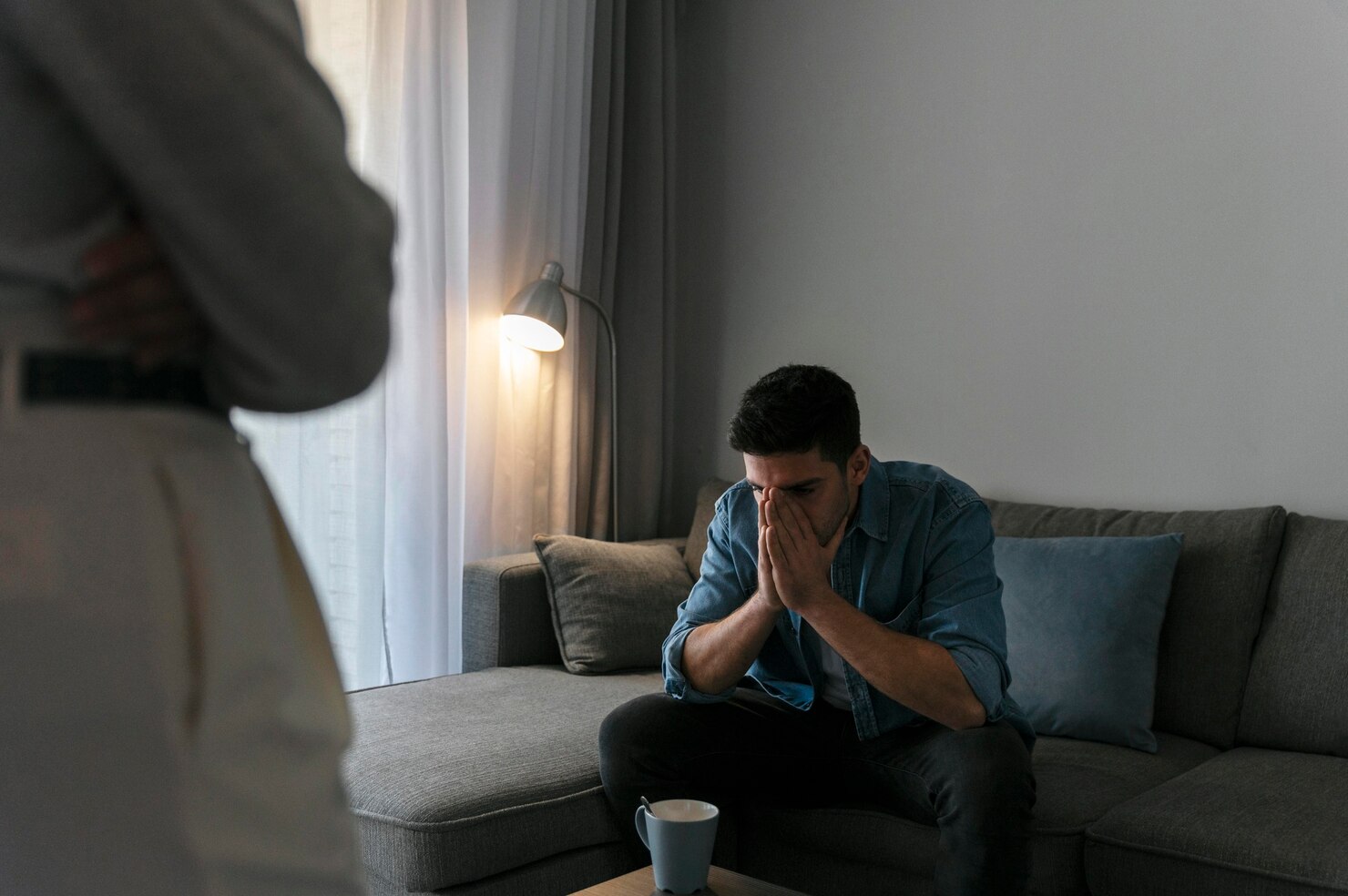
Feeling lonely isn’t just about being alone. Even with busy lives, full calendars, and people around, many still feel emotionally disconnected. Here in Massachusetts, several factors can make this harder. Long, cold winters mean less time outside and fewer casual connections with neighbors and community. Demanding work and school environments, especially around Boston and Cambridge, create pressure to succeed that can make it hard to open up. Working from home cuts down on everyday social moments that used to happen naturally at the office.
Major life changes like moving for a job, caring for a family member, going through divorce, or losing someone close can leave people feeling adrift. For those starting over in a new country, language barriers and distance from familiar support can create deep feelings of isolation. These experiences are more common than most realize, and reaching out for support is a healthy, important step.
WHAT MASSACHUSETTS PSYCHIATRY DOES
Comprehensive Mental Healthcare Services
Massachusetts Psychiatry offer various therapeutic services to support your mental and emotional wellbeing.
Understanding Isolation and Loneliness
Isolation and loneliness are related, but not the same.
ISOLATION
refers to having limited social interactions, reduced contact with others, or physically withdrawing from social environments.
LONELINESS
is the emotional experience of feeling alone—even if you are surrounded by others.
In Massachusetts, these experiences may arise from many sources: the shift toward remote work, harsh winters that limit social activity, the fast pace of life in areas like Boston, or the quiet and distance found in the state’s more rural regions. When isolation and loneliness persist, they can contribute to depression, anxiety, stress, difficulty concentrating, fatigue, and even physical health challenges.

Signs It Might Be Time to Reach Out
Consider seeking support if you’re experiencing:
- Ongoing sadness or feeling emotionally flat
- Struggling to connect with others or keep friendships
- Losing interest in things that used to bring joy
- Feeling worried or uncomfortable around people
- Sensing a wall between yourself and loved ones
- Changes in sleep, appetite, or energy levels
- Feeling like nothing matters or that you don’t belong
How Dr. Sophia L. Maurasse, MD Helps Individuals Address Isolation and Loneliness
Dr. Maurasse provides a thoughtful, integrative approach to mental health care rooted in compassion, collaboration, and respect for each person’s story. Her work focuses on understanding the emotional and relational challenges underlying loneliness and helping individuals re-establish connection, meaning, and emotional resilience.
Her approach may include:
1. Psychotherapy
Sessions explore emotional patterns, attachment experiences, past relational wounds, communication challenges, identity, and self-concept. Therapy offers a space to understand why loneliness feels so heavy and how to build healthier relational patterns moving forward.
2. Mindfulness-Informed Strategies
Mindfulness can support awareness, grounding, emotional regulation, and self-compassion—key tools in reducing the overwhelm that loneliness can create.

3. Medication Management (When Needed)
For individuals experiencing depression, anxiety, or mood instability connected to loneliness, medication may help improve energy, mood, and emotional balance. Decisions are collaborative, thoughtful, and tailored to your needs.
4. Support in Reconnecting with Community
Dr. Maurasse may help identify supportive relationships, explore community groups, or reconnect clients with meaningful activities in Massachusetts that foster belonging.
Whether loneliness has developed gradually over time or emerged after a major life change, treatment is guided by where you are and what you hope to move toward. You deserve relationships that feel nurturing, grounding, and connected—and support exists to help you get there.
Practical Strategies to Begin Easing Loneliness Now
Even small steps can begin to create meaningful emotional change:
- Create gentle daily structure, especially during winter or remote work periods.
- Reach out to one trusted person, even briefly—connection grows through small steps.
- Engage in low-pressure activities such as walking groups, community classes, volunteering, or shared hobbies.
- Practice self-kindness, particularly when loneliness feels heavy; judgment only deepens the isolation.
- Notice when you’re avoiding connection, and pause gently before withdrawing.
While these strategies can help reduce isolation and loneliness in Massachusetts, deeper emotional healing often requires guided support, especially when loneliness is tied to past experiences, trauma, depression, or long-standing relational patterns.

Mental Health Conditions Assessed and Treated
Our assessments are designed for individuals experiencing:

OBSESSIVE COMPULSIVE DISORDER
A mental health condition marked by unwanted, repetitive thoughts and behaviors that interfere with daily life.

OBSESSIVE COMPULSIVE PERSONALITY DISORDER
A personality disorder characterized by perfectionism, rigid routines, and a strong need for control that affects relationships and functioning.

GRIEF AND LOSS
Emotional distress following the death of a loved one or significant life changes, which can impact daily functioning and well-being.

DIVORCE COUNSELING
Psychological and emotional challenges that arise during and after the dissolution of a marriage, including stress, sadness, and adjustment difficulties.

STEP - PARENTING
Emotional and relational challenges faced by step-parents navigating blended family dynamics and establishing healthy relationships.

TRAUMA
Physical, emotional, and mental exhaustion caused by prolonged stress, often related to work, caregiving, or life pressures.

BURNOUT
Physical, emotional, and mental exhaustion caused by prolonged stress, often related to work, caregiving, or life pressures.
Obsessive Compulsive Disorder FAQs in Massachusetts
How do loneliness and isolation affect mental health?
Loneliness and isolation can increase the risk of depression, anxiety, low self-esteem, sleep problems, and reduced motivation. Over time, they can also contribute to physical stress, fatigue, and difficulty managing daily responsibilities.
What causes isolation?
Isolation often develops from life transitions, remote or solitary work environments, chronic stress, caregiving responsibilities, health issues, or emotional withdrawal due to overwhelming feelings or past experiences.
What is the most common cause of loneliness?
The most common cause of loneliness is feeling emotionally disconnected from others, even when relationships or social contact exist. This often occurs when someone feels misunderstood, unseen, or unsupported.
How long does treatment typically take?
Treatment varies depending on individual needs. Some people notice improvements within several weeks, while others may work through deeper patterns over months. The timeline is tailored to personal goals and the underlying causes of loneliness.
Is loneliness and isolation treatable?
Yes. Loneliness and isolation are treatable. With psychotherapy, emotional support, lifestyle adjustments, and medication when appropriate, individuals can rebuild connection, strengthen self-awareness, and create meaningful relationships.
CONTACT INFORMATION
Find Support for Isolation and Loneliness Massachusetts
If isolation and loneliness Massachusetts brings into your life are affecting your wellbeing, professional support can help you reconnect and heal. Dr. Sophia L. Maurasse, MD offers compassionate psychiatric care tailored to your unique experiences—whether you’re navigating life transitions, relationship struggles, or simply feeling disconnected. Through therapy, medication management, and personalized treatment, you can rebuild meaningful connections and rediscover your sense of belonging. You don’t have to face these feelings alone. Reach out today to schedule a consultation and take the first step toward emotional healing and reconnection.
- Massachusetts Psychiatry
- 68 Harrison Ave Ste 605, Boston, MA 02111, United States
- (617) 564-0654