
 When it comes to mental health care, there are many different treatment approaches. Some focus on talk therapy, while others rely on medical treatment. But what happens when the two come together? That’s where clinical psychopharmacology plays an important role.
If you’ve been wondering “What is clinical psychopharmacology?” or how it might relate to your mental health journey, this guide will walk you through the basics—without overwhelming medical jargon.
Defining Clinical Psychopharmacology
At its core, clinical psychopharmacology is the study and practice of how medications affect the brain, behavior, and emotions. It looks at the relationship between psychiatric medications and mental health conditions, helping clinicians provide the safest and most effective treatment possible.
This field is applied in everyday mental health care through specialists such as:
- Psychiatrists – medical doctors who diagnose conditions and prescribe medication.
- Psychopharmacologists – psychiatrists with advanced training in medication science.
- Specially trained psychologists – in some states, certain psychologists can prescribe medication after earning additional credentials in clinical psychopharmacology.
Why Clinical Psychopharmacology Matters
Mental health conditions like depression, anxiety, bipolar disorder, and schizophrenia often involve complex brain chemistry. Clinical psychopharmacology helps professionals:
- Understand how medications work in the brain
- Decide which medications are most effective for specific conditions
- Minimize side effects and drug interactions
- Tailor treatments to each person’s unique needs
- Combine medication with therapy for better outcomes
In other words, it bridges the gap between science and patient care.
Common Conditions Treated With Psychopharmacology
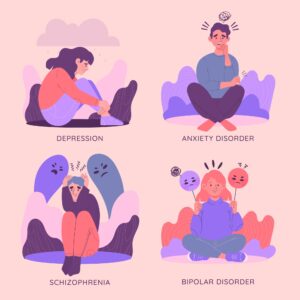
Medications are not always the first or only option, but they can make a significant difference for many people. Clinical psychopharmacology is often used to treat:
- Depression
- Anxiety disorders (generalized anxiety, panic disorder, phobias)
- Bipolar disorder
- Schizophrenia and psychotic disorders
- Obsessive-compulsive disorder (OCD)
- Attention-deficit/hyperactivity disorder (ADHD)
- Post-traumatic stress disorder (PTSD)
How Clinical Psychopharmacology Works in Practice
Seeing a provider trained in clinical psychopharmacology often involves a few key steps:
Initial Evaluation
Your provider reviews your mental health history, current symptoms, and past treatment experiences.
Personalized Medication Plan
A tailored plan is created, often starting with a low dosage to monitor how your body responds.
Regular Monitoring
Because psychiatric medications may take weeks to show results, follow-up visits are crucial to track progress and adjust prescriptions if needed.
Holistic Care
Many providers recommend combining medication with psychotherapy or lifestyle changes for long-term improvement.
Clinical Psychopharmacology vs. General Psychiatry
It’s natural to wonder—what’s the difference between clinical psychopharmacology and general psychiatry?
- General Psychiatry: Focuses broadly on diagnosing and treating mental health conditions, often combining therapy and medication.
- Clinical Psychopharmacology: A more specialized focus on how medications work, interact, and affect mental health outcomes.
Essentially, clinical psychopharmacology adds a deeper layer of expertise to psychiatric care.
Benefits of Clinical Psychopharmacology

Choosing a professional with training in clinical psychopharmacology can lead to:
- Safer, more effective medication choices
- Better outcomes for treatment-resistant conditions
- Fewer side effects and complications
- Access to the latest research and medication strategies
- A personalized approach rather than a “one-size-fits-all” plan
Clinical Psychopharmacology in Massachusetts
Massachusetts is home to leading universities, hospitals, and research centers that contribute to advancements in clinical psychopharmacology. Patients benefit from expert psychopharmacology therapy in Massachusetts, supported by evidence-based care and ongoing research.
- Access to specialists in cities like Boston, Worcester, and Springfield
- World-renowned hospitals such as Massachusetts General Hospital and McLean Hospital
- Telehealth options that make psychiatric medication management more accessible statewide
Whether you’re a student in Cambridge, a professional in Boston, or living in a smaller town, resources are available to connect you with expert care.
When to Consider Clinical Psychopharmacology
You might benefit from consulting a provider trained in this field if:
- You’ve tried therapy alone but still struggle with symptoms.
- You’ve had mixed results with medications in the past.
- You’re managing multiple mental health conditions at once.
- You’re interested in a more scientific, personalized approach to medication.
Conclusion: Your Path Toward Better Mental Health
So, what is clinical psychopharmacology? It’s the science and practice of using medications to improve mental health—applied in real-life care to help people live healthier, more balanced lives. By combining research, medical expertise, and patient-centered care, it offers hope to those navigating mental health challenges.